
hair-transplant
Hair Transplant Aftercare: A Week-by-Week Recovery Guide
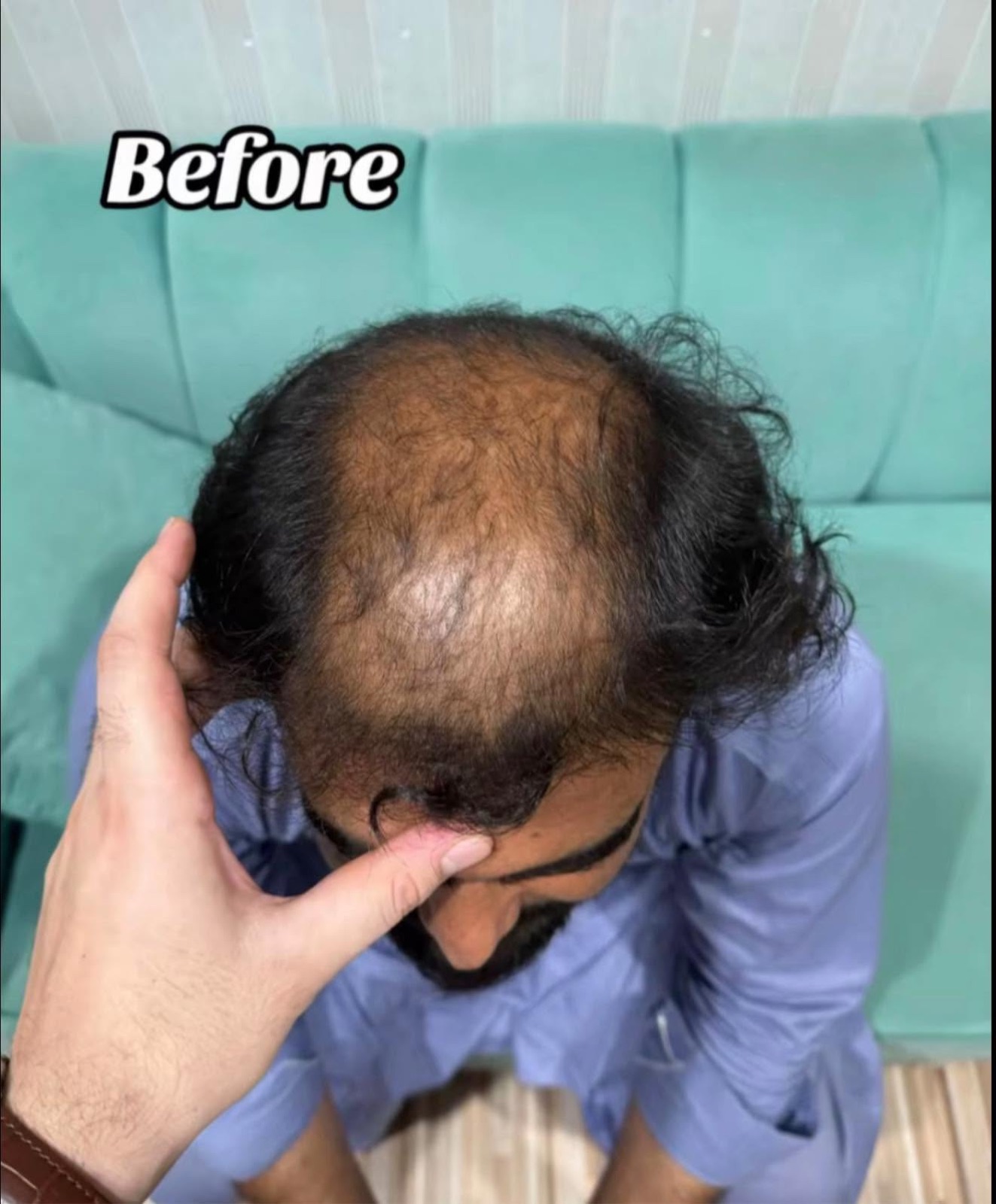
Most of the anxiety after a transplant comes from not knowing what is normal. The swelling, the scabs, and especially the moment the new hair falls out all feel alarming if no one warned you. So here is the honest timeline, week by week, of what you should actually expect after a hair transplant.
Days 1–3: the immediate aftermath
You go home the same day. The recipient area will have tiny scabs around each graft and the donor area will feel tight and a little sore — manageable with the pain relief we send you home with. You sleep slightly elevated for the first few nights to limit swelling. Some patients get mild forehead swelling around day two or three; it looks dramatic and settles quickly. The single most important rule of this whole period: do not touch, scratch, or pick at the grafts. They are anchoring.
Days 4–10: gentle washing begins
We start gentle, careful washing around day three to four, exactly as shown at your follow-up. This softens the scabs so they release naturally rather than being knocked off. By the end of this window most of the small crusts have shed. Many people with desk jobs are back at work within 3–5 days, though you may still see faint redness and a few scabs.
Days 10–14: looking unremarkable again
By two weeks the scabs are gone and the redness is fading. To a casual observer you look normal. This is the point most patients relax — right before the phase that worries them most.
Weeks 2–6: the shedding phase (do not panic)
The transplanted hairs fall out. This is normal, expected, and not a sign of failure. The hair shaft sheds while the follicle stays alive beneath the skin, resting before it starts a new growth cycle. Almost everyone has a quiet moment of dread here, which is why I tell every patient about it in advance. If you understand why it is happening, it is just a stage. (I explain the biology more fully in is a hair transplant permanent?.)
Months 3–6: the first real regrowth
From around month three to four, new hairs start pushing through. They come in fine and sometimes a little wiry at first, and they do not all arrive at once — growth is staggered. By month six you typically have meaningful, visible coverage and the result starts to feel real.
Months 6–15: the result matures
The new hairs thicken, the texture normalises, and density continues to improve. The hairline and crown reach their final character somewhere between 12 and 15 months, depending on the area and your own growth rate. Patience here is rewarded; judging the result at month four is judging it before it has happened.
Protecting the result
Throughout recovery — and for years after — protecting your native hair matters, because your own ongoing pattern loss is the main long-term threat to the result. For many patients that means sensible medical therapy and PRP or PRGF to defend the hair around the grafts.
Follow the aftercare, expect the shedding, and give it the full year. The patients who do best are not the ones who heal fastest — they are the ones who trust the timeline.
Common questions
- How long does it take to recover from a hair transplant?
- The visible healing — scabs and redness — settles within about 10–14 days. But the full result takes 12–15 months, because the transplanted hair sheds first and then regrows slowly over the following months.
- When can I go back to work after a hair transplant?
- Many people return to a desk job within 3–5 days, though the recipient area may still show small scabs for up to two weeks. Strenuous exercise and gym should wait two to three weeks.
- Is it normal for transplanted hair to fall out after surgery?
- Yes. Shedding of the transplanted hairs between weeks two and six is completely normal and expected. The follicles stay alive and regrow from around month three to four.